



Is crystallized honey fake?
The appearance of tiny granules or a thickened texture in honey often makes many people worried about its quality. Especially for those who have never encountered this before, it is common to suspect that the honey has been mixed or is no longer usable.
In fact, this is a natural phenomenon that can occur in honey. Because honey contains a high amount of sugar, when stored under suitable conditions such as low temperatures over a long period, part of the sugar will gradually crystallize into small particles.
Therefore, crystallized honey is not necessarily a sign of fake or low-quality products, but in many cases, it is related to the natural characteristics of pure honey.
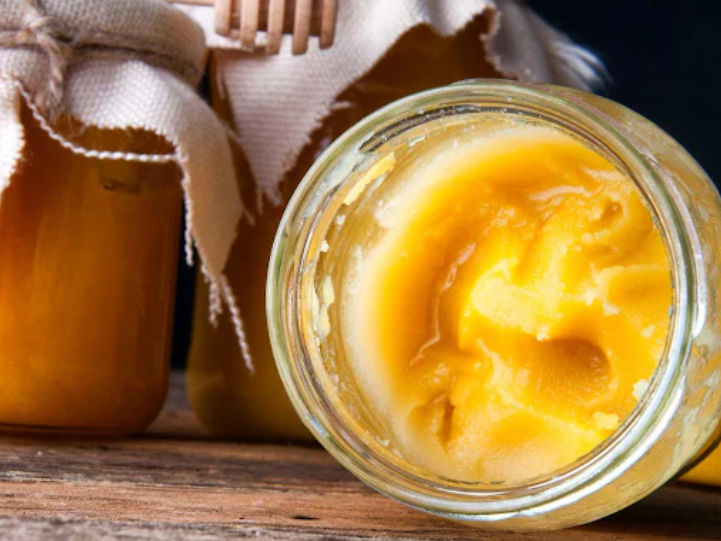
Crystallization is a natural phenomenon of pure honey (Source: Collected)
Reasons why honey crystallizes
After understanding that this is a natural phenomenon, many people start to wonder: why does some honey crystallize very quickly, while others remain liquid for a long time?
In reality, the crystallization rate of honey varies depending on many different factors, from its internal composition to external storage conditions.
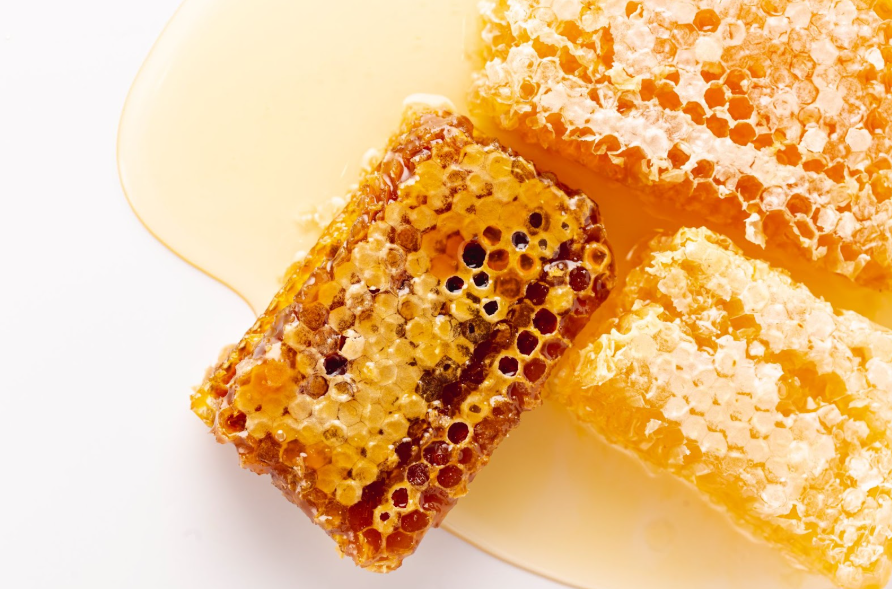
Crystallized honey is completely edible and is a sign of pure honey (Source: Collected)
1. Sugar composition in honey
In honey, glucose usually accounts for about 30–35%, and this is the type of sugar that crystallizes the easiest. Therefore, the higher the glucose content, the faster honey will crystallize over time.
2. Storage temperature
Besides sugar composition, temperature is also a factor that directly affects the crystallization process. When honey is stored below 21°C, sugar crystals will form more easily, while at higher temperatures, this process slows down.
3. Water content (moisture level)
In addition, moisture plays an important role. Honey typically contains around 17–20% water. When honey is thicker (lower water content), sugar molecules are closer together and more likely to crystallize faster. On the other hand, more diluted honey will stay liquid longer.
How to handle crystallized honey
To treat crystallized honey while preserving valuable enzymes and vitamins, you should absolutely not heat it directly over fire or use a microwave. Follow this proper “decrystallizing” process:
- Use warm water: Prepare a small bowl of warm water at around 40°C – 45°C. This is a safe temperature to dissolve crystals without affecting honey quality.
- Soak the jar: Place the honey jar (preferably glass) into the warm water. If the honey is too solid, slightly loosen the lid to avoid pressure buildup.
- Stir gently: When the honey softens, use a clean spoon to stir gently so that heat spreads evenly and helps dissolve the crystals faster.
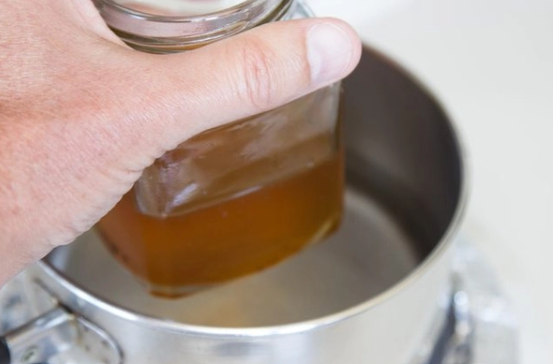
Soak the honey jar in warm water to dissolve the crystals (Source: Collected)
- Store properly: After the honey returns to liquid form, store it at room temperature (25°C – 30°C), away from direct sunlight or low temperatures to prevent re-crystallization.
Ivy Honey hopes that the above information will help you feel more confident when using honey. Remember, a jar of crystallized honey can sometimes be the most reliable proof of the natural quality you are using.