


The European Union (EU) and the United States have long been the world's two largest honey-consuming markets, offering multi-million-dollar opportunities for agricultural exporters. However, behind this immense commercial potential lies the world's most stringent technical barrier system.
To access these two markets, enterprises must strictly satisfy regulatory standards regarding quality, chemical residues, traceability, product labeling, and legal documentation. Below is the comprehensive guide to essential export standards every enterprise must prepare.
1. Overview of Technical Barriers in International Honey Trade
Unlike domestic retail markets where consumers often rely on sensory aroma, color, or conventional habits to judge honey, international trade operates strictly on the objective language of laboratory test data (Lab Test Data) and end-to-end supply chain transparency.
An export honey consignment can face border rejection, heavy fines, or outright destruction at the destination port if prohibited antibiotic residues or chemical traces exceed statutory thresholds. Discrepancies in labeling and origin declaration can also instantly disqualify shipments from import clearance.
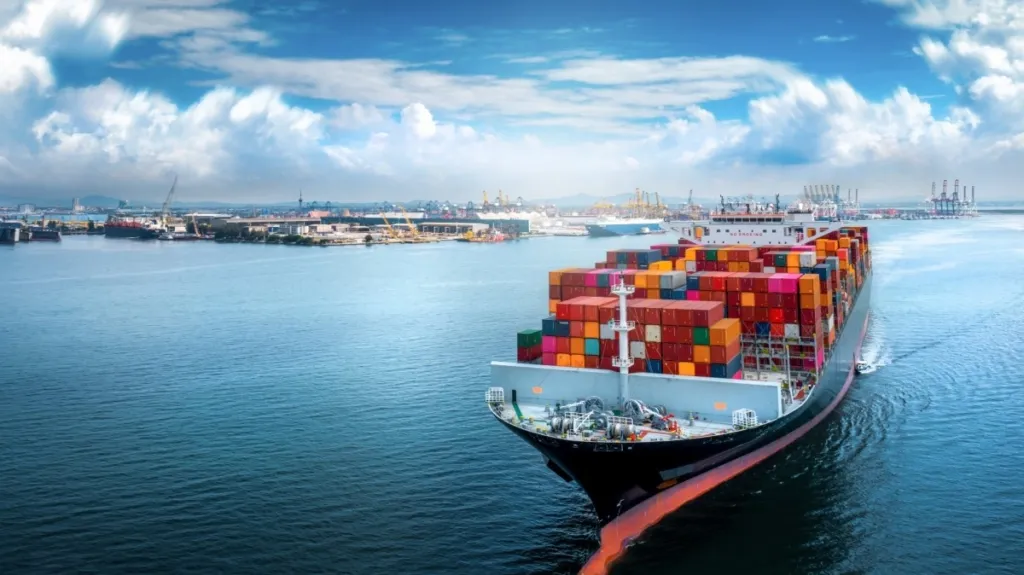
Therefore, exporting honey is not simply a pricing equation; it relies entirely on the capability to govern the entire supply chain. From apiary zones, harvest timing, down to processing, testing, and containerization, every phase must be strictly monitored to eliminate operational risks and meet the importing countries' mandates.
2. Honey Export Standards for the European Union (EU)
The European Union (EU) is globally recognized as one of the most demanding markets, enforcing an uncompromising consumer health philosophy and penalizing commercial adulteration down to every single drop of honey.
2.1. Strict Regulations on Antibiotic Residues & Pesticides
The EU enforces Maximum Residue Limits (MRL) for veterinary medicinal products and plant protection agents pursuant to Regulation (EC) No 396/2005:
Zero-Tolerance Prohibited Antibiotics: Substances historically used to treat bee brood diseases—such as Chloramphenicol, Nitrofurans, and Metronidazole—must not be detected under any circumstance (Limit of Detection - LOD is monitored at ultra-trace levels, below 0.1 – 0.3 ppb).
Antibiotics with Maximum Thresholds: Streptomycin, Tetracycline, and Sulfonamides must be rigorously controlled below statutory MRL limits.
Herbicides & Crop Protection Chemicals: Active substances such as Glyphosate and Neonicotinoid insecticide families are subjected to frequent, rigorous screening via Liquid Chromatography-Tandem Mass Spectrometry (LC-MS/MS).
2.2. Compositional & Physico-Chemical Criteria (Directive 2001/110/EC)
Pursuant to EU Council Directive 2001/110/EC relating to honey, products must satisfy specific compositional and quality parameters prior to market release. Key technical parameters exporters must comply with include:
| Analytical Parameter | EU Regulatory Limit | Ivy Honey Practical Guideline | Technical Significance |
|---|---|---|---|
| Moisture Content | Max 20% | ≤ 18.0% – 18.5% | Prevents osmotolerant yeast proliferation and fermentation during 35–45 days of ocean maritime transit. |
| HMF Level | Max 40 mg/kg (80 mg/kg for tropical honey) | < 15-25 mg/kg | Direct freshness indicator; high HMF confirms thermal damage from excessive heating or prolonged warehousing. |
| Diastase Activity | Min 8 Schade units | ≥ 10 – 12 Schade units | Verifies natural, active biological enzymes that have not been denatured by heat drying. |
| Invert Sugars | Fructose + Glucose ≥ 60g/100g | ≥ 65g / 100g | Guarantees genuine floral nectar origin free from adulterated industrial sugar syrups. |
2.3. Traceability & Pollen Analysis (Melissopalynology)
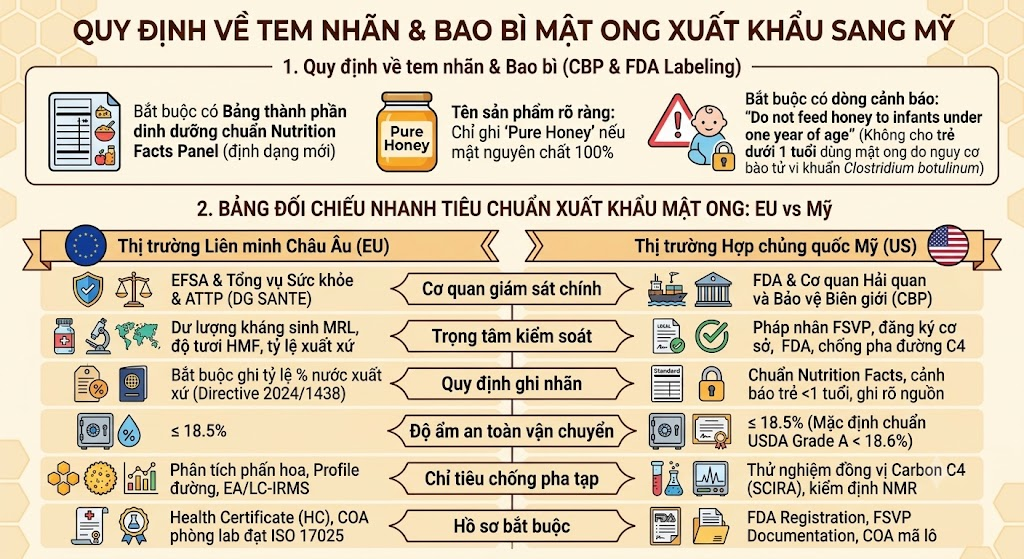
Beyond physico-chemical criteria, the EU strictly enforces origin transparency. Exporters must clearly declare geographic origin on labels, paying meticulous attention to origin percentages and botanical verification.
Mandatory Percentage (%) Labeling: Under revised rules (Directive (EU) 2024/1438), if honey originates from multiple countries, the label must state each country of harvest and its exact percentage in descending order.
Pollen Analysis (Melissopalynology): European buyers use microscopic pollen morphology to confirm botanical genuineness (such as monofloral coffee blossom, longan blossom, or mint blossom) and certified geographic provenance.
3. Honey Export Standards for the United States (US)
While the EU places heavy emphasis on the physico-chemical profile of honey, the US market focuses aggressively on the regulatory compliance of production facilities and robust commercial anti-fraud barriers against sugar adulteration.
3.1. FDA Facility Registration & Food Safety Modernization Act (FSMA)
FDA Does Not Issue "Product Certificates": The US Food and Drug Administration (FDA) exclusively grants a Food Facility Registration number to eligible processing, packing, or holding facilities.
Foreign Supplier Verification Programs (FSVP): Under the FSMA law, the US-based importer (FSVP Importer) assumes direct legal responsibility before the US government to verify that foreign suppliers adhere to food safety regulations. Exporters must provide complete files: HACCP/ISO programs, hazard analysis evaluations, and batch-specific Certificates of Analysis (COA).
3.2. C4 Sugar Adulteration Testing (SCIRA)
The US strictly screens imported honey for botanical purity. Stable Carbon Isotope Ratio Analysis (SCIRA) is universally employed to detect extraneous sugar additions derived from C4 plants (cane or corn syrup):
Testing Methodology: SCIRA (Stable Carbon Isotope Ratio Analysis) quantifies the proportion of C4 plant-derived sugars in honey.
Reference Baseline: C4 sugar percentages are typically capped under 7%; specific buyers may require even stricter lower thresholds.
Advanced Profiling: Depending on contract terms, buyers frequently require Nuclear Magnetic Resonance (NMR) profiling to screen for subtle botanical syrups (such as rice or beet syrup).
3.3. Labeling & Packaging Mandates (CBP & FDA 21 CFR Part 101)
Goods imported into the United States must strictly adhere to labeling guidelines from US Customs and Border Protection (CBP) and the FDA (21 CFR Part 101):
Must present the newly formatted, standardized Nutrition Facts Panel.
Transparent Identity: The product may only be labeled as "Pure Honey" if it consists of 100% pure, unadulterated honey.
Mandatory Infant Warning: Must prominently display: "Do not feed honey to infants under one year of age" (due to infant botulism risk associated with Clostridium botulinum spores).
4. Global Standard Compliance Capabilities at Ivy Honey
With years of experience in honey harvesting, processing, and distribution, Ivy Honey has engineered an integrated control ecosystem bridging sustainable apiary zones, modern factories, independent laboratory testing, and export packaging. This infrastructure empowers Ivy Honey to proactively satisfy all technical parameters and documentation required across international export markets.
4.1. Integrated Quality Management System
Ivy Honey's processing plants and operational protocols are fully standardized against stringent global benchmarks:
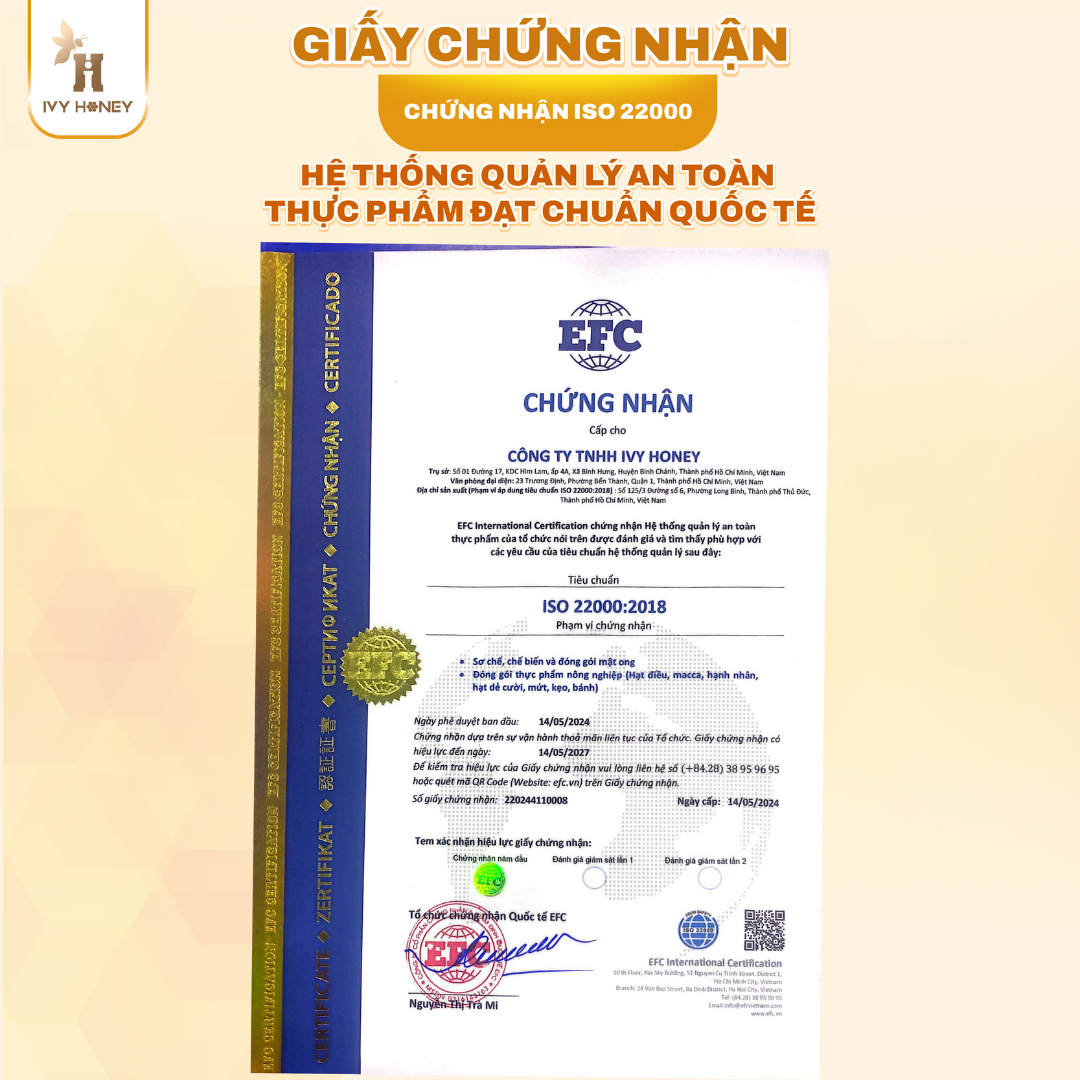
HACCP & ISO 22000:2018: Guarantees rigorous prevention and control of biological, chemical, and physical hazards across all handling phases.
Halal & COA: Critical regulatory and technical documentation accompanying every single consignment, certifying Islamic purity compliance (Halal) alongside 100% transparent safety metrics, purity assays, and microbiological testing conducted by independent accredited laboratories (COA).
4.2. Ecological Floral Zones & Transparent Lab Testing
To govern honey quality right from the source, Ivy Honey exercises stringent care from apiary site selection to pre-shipment lot verification. This protocol is executed across two primary pillars:
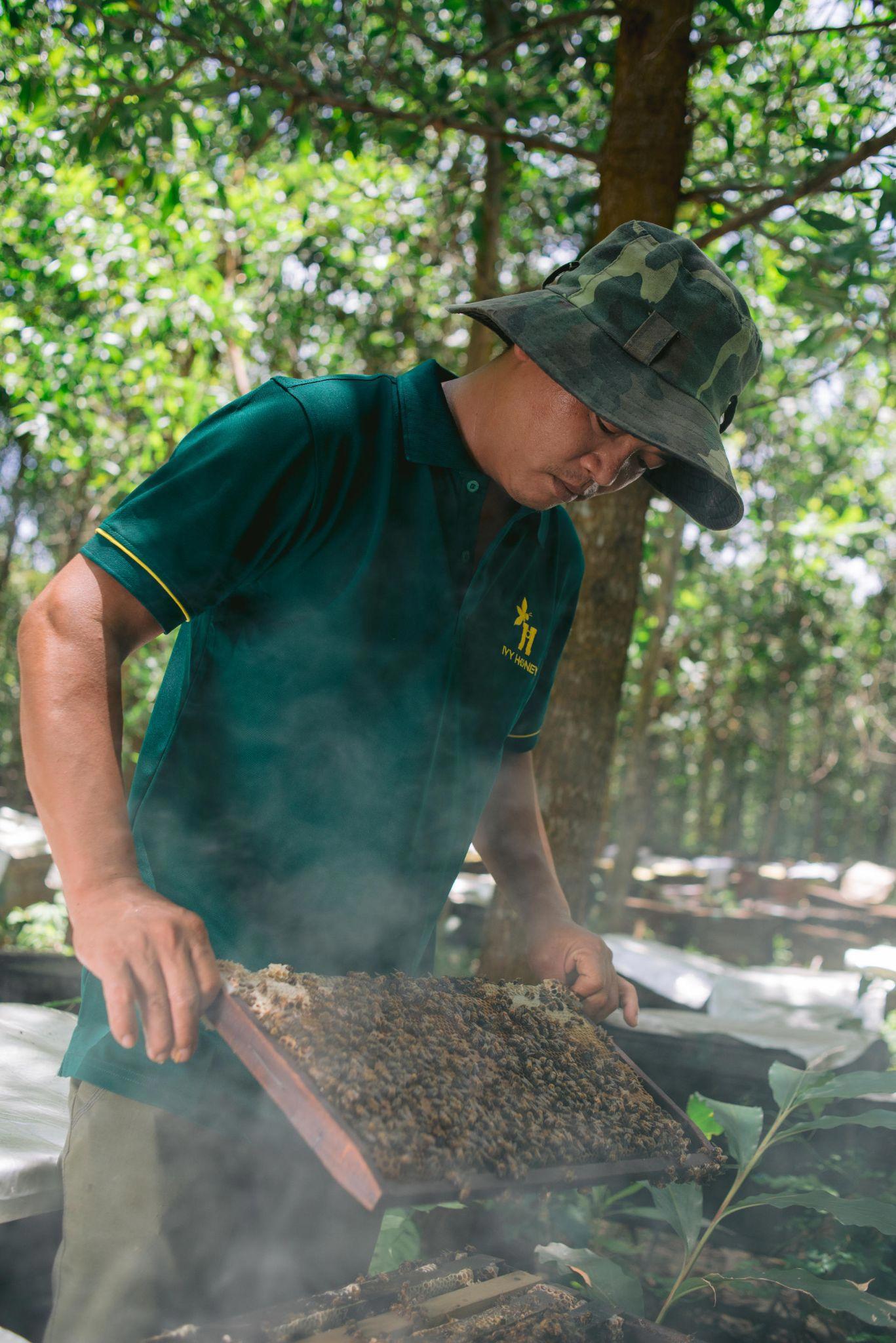
Selected Apiary Locations: Bee colonies are stationed in natural floral forests and sustainable specialized farming zones (Gia Lai, Central Highlands), far removed from industrial estates and pesticide-sprayed crops.
Pre-shipment Inspection: Representative samples from every lot are sealed and submitted to accredited international testing institutions (such as Eurofins, SGS, Intertek) for comprehensive assays covering antibiotic MRLs, HMF indexes, moisture content, and C4 sugars prior to container loading.
4.3. Versatile B2B Packaging Configurations
Ivy Honey supplies flexible packaging formats adapted to diverse import requirements, from high-volume industrial raw supplies to customized private-label finished goods.
Industrial Raw Supply (Bulk Drums): Standard food-grade 200kg steel drums lined with food-grade epoxy coatings to prevent oxidation and ensure stable quality across trans-oceanic transit.
Private Label Solutions (OEM / Private Label): End-to-end support for packaging design, multilingual regulatory labeling, and glass jar packaging across retail formats (350g, 750g, 1400g) fully aligned with destination market labeling requirements.
💡 INSIGHT FROM IVY HONEY QA/QC DEPARTMENT"When exporting honey in ocean containers across high-temperature equatorial routes, maintaining moisture under 18.5% is not enough. Exporters must archive sealed Retention Samples paired with container seal serial numbers for at least 24 months. This is an indispensable safeguard that protects exporters against any post-arrival disputes regarding HMF escalation or secondary alterations after 30–45 days at sea."
5. Conclusion
Penetrating high-standard markets like the EU and the US requires exporters to master every facet—from physico-chemical quality and certified lab assays to supply chain traceability and strict labeling compliance. Thorough preparation not only mitigates export rejections and risks, but also serves as the solid foundation to establish quality prestige and export capacity with international buyers.
If your enterprise is seeking a dependable honey partner for bulk raw supply, OEM / private label manufacturing, or export contracts, contact Ivy Honey today to receive our corporate profile, independent lab COAs, and customized FOB/CIF quotations.
🐝 Partner with Ivy Honey or Experience Our Export-Standard Honey Today
100% Pure, Export-Certified Honey. Fast delivery and global shipping solutions!